The Best Business Tools in 2026 to Cut Your Workload in Half
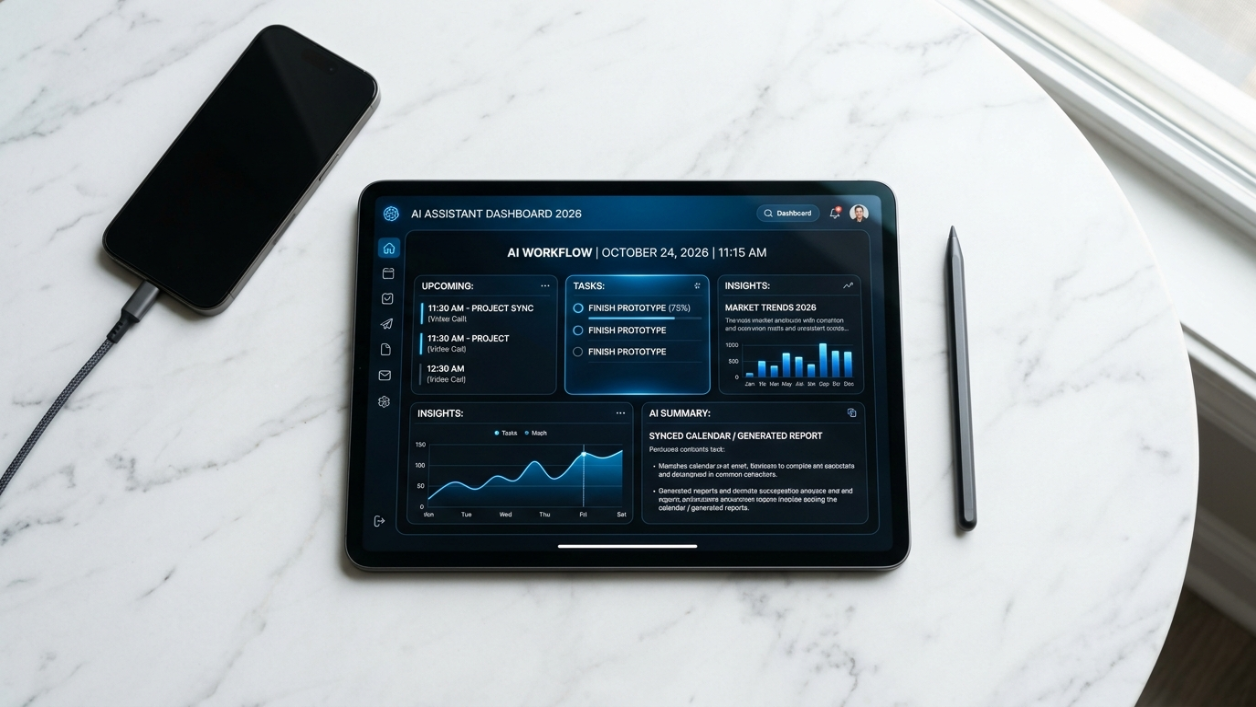
Running a business in 2026 requires more than just hard work. With increasing competition, growing customer expectations, and the need to manage multiple tasks at once, business owners and teams need smarter ways to save time and improve productivity.
The right business tools can automate repetitive tasks, improve communication, organize projects, manage finances, and reduce the amount of manual work required every day. Instead of spending hours on tasks that can be automated, businesses can focus more on growth, strategy, and customer relationships.
From artificial intelligence tools to project management platforms, modern business solutions are designed to help companies work faster and more efficiently.
Why Business Tools Matter in 2026
Technology has changed the way businesses operate. In the past, many tasks required manual effort, paperwork, and long processes. Today, businesses can use software solutions to complete many of these tasks automatically.
Business tools help reduce errors, improve organization, and allow teams to collaborate from anywhere. Whether you run a small business, manage a remote team, or operate a growing company, the right tools can significantly reduce your daily workload.
The goal is not to replace people but to help them spend less time on repetitive tasks and more time on important decisions.
AI Tools for Automation and Productivity
Artificial intelligence has become one of the biggest productivity trends in 2026. AI tools can help businesses create content, analyze information, automate customer support, and improve workflows.
AI-powered assistants can help with tasks such as writing emails, generating reports, summarizing documents, and organizing ideas. This allows employees and business owners to complete work faster without starting from scratch every time.
Businesses are also using AI for customer service through automated chat systems that answer common questions and provide support around the clock.
Project Management Tools for Better Organization
Managing multiple projects can quickly become overwhelming without proper organization. Project management tools help teams track tasks, deadlines, responsibilities, and progress in one place.
These platforms allow businesses to create workflows, assign tasks, set priorities, and monitor results. Instead of relying on endless emails or messages, teams can have a clear system where everyone knows what needs to be done.
For remote and hybrid teams, project management software has become essential for maintaining productivity and accountability.
Communication Tools for Remote Teams
Modern businesses often operate across different locations, making communication more important than ever. Communication tools help teams stay connected through instant messaging, video meetings, and file sharing.
These platforms reduce unnecessary meetings and make it easier for employees to collaborate quickly. Team members can share updates, solve problems, and stay aligned without wasting time.
A strong communication system can improve teamwork and prevent important information from getting lost.
Accounting and Finance Management Tools
Managing business finances manually can take a significant amount of time. Accounting tools help automate tasks such as invoicing, expense tracking, payments, and financial reporting.
These tools allow business owners to understand their cash flow, monitor expenses, and make better financial decisions. Automated reminders can also help businesses collect payments faster and maintain organized records.
For small businesses especially, financial management software can reduce administrative work and prevent costly mistakes.
Customer Relationship Management (CRM) Tools
Customers are the foundation of every successful business. CRM tools help companies organize customer information, track interactions, and improve sales processes.
Instead of keeping customer details scattered across different platforms, businesses can store everything in one system. Sales teams can track leads, follow up with customers, and create better relationships.
A good CRM system can save hours of manual tracking and help businesses increase revenue opportunities.
Marketing Automation Tools
Marketing requires consistent effort, but many tasks can now be automated. Marketing tools help businesses schedule social media posts, manage email campaigns, track customer behavior, and analyze performance.
Automation allows businesses to maintain regular communication with customers without spending hours every day managing campaigns.
By using marketing automation, companies can improve efficiency while maintaining a strong online presence.
Cloud Storage and Collaboration Tools
Cloud-based tools have changed the way businesses store and share information. Instead of depending on physical files or individual computers, companies can securely access documents from anywhere.
Cloud storage allows teams to collaborate in real time, making it easier to edit files, share information, and manage important business data.
This is especially useful for businesses with remote employees or multiple locations.
Scheduling and Time Management Tools
Time management is one of the biggest challenges for busy professionals. Scheduling tools help reduce back-and-forth communication by allowing customers and team members to book meetings automatically.
These tools can manage calendars, send reminders, and prevent scheduling conflicts. By automating appointment management, businesses can save valuable time every week.
Cybersecurity Tools for Business Protection
As businesses rely more on digital tools, cybersecurity has become a major priority. Security tools help protect sensitive information, customer data, and business operations.
Password managers, backup solutions, and security monitoring tools can reduce risks and protect businesses from potential threats.
A secure business environment allows teams to work confidently without worrying about data loss or security problems.
How to Choose the Right Business Tools
Not every business needs every tool available. The best approach is to identify your biggest challenges first.
Ask questions like:
- Which tasks take the most time?
- Where do mistakes happen frequently?
- Which processes can be automated?
- What areas need better organization?
Choosing tools that solve real problems is more effective than using too many platforms that create unnecessary complexity.
Final Thoughts
The best business tools in 2026 are designed to save time, improve productivity, and reduce daily workload. From AI automation and project management to finance and customer relationship systems, technology gives businesses more opportunities to work smarter.
The right tools do not just make work faster; they create better systems that allow businesses to grow. By choosing solutions that match your needs and using automation wisely, you can reduce repetitive tasks and focus on the areas that create the most value.