Personal Loan vs Credit Card: Which Is Better for Debt Consolidation?
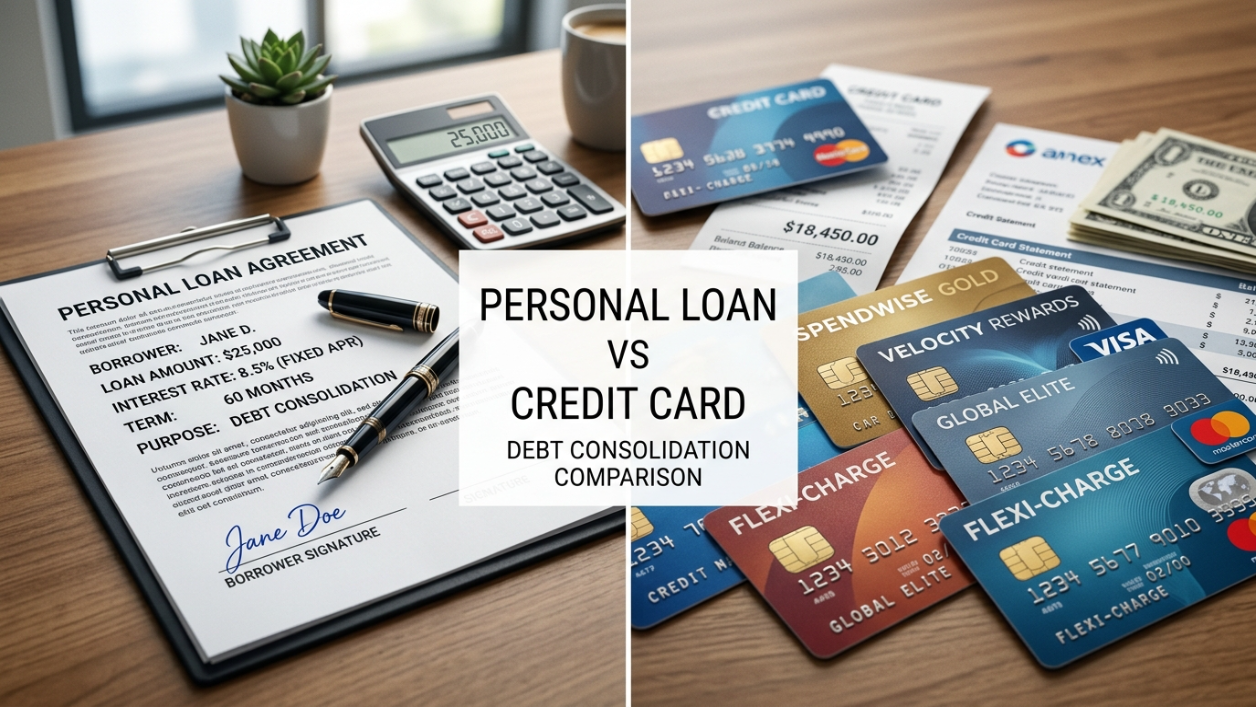
Managing multiple debts can become stressful, especially when you have several credit cards with different balances, interest rates, and payment dates. Keeping track of everything can make it difficult to know how much you are actually paying toward your debt and how long it will take to become debt-free.
Debt consolidation is a strategy that combines multiple debts into one payment. The goal is to simplify your finances, reduce interest costs, and create a clearer repayment plan. Two of the most common options for debt consolidation are personal loans and balance transfer credit cards.
Choosing between a personal loan and a credit card depends on factors such as your credit score, total debt amount, repayment timeline, and financial habits. Understanding how both options work can help you choose the right solution.
How Personal Loan Debt Consolidation Works
A debt consolidation personal loan allows you to borrow a fixed amount of money to pay off existing debts, such as credit card balances. Instead of managing several monthly payments, you replace them with one fixed monthly payment to the loan provider.
One of the biggest advantages of a personal loan is having a clear repayment schedule. Unlike credit card debt, which can continue growing if you only make minimum payments, a personal loan usually has a fixed term. This means you know exactly when the debt will be fully paid off.
Personal loans also typically come with fixed interest rates, which can make budgeting easier. Your monthly payment remains predictable, allowing you to plan your finances more effectively.
Benefits of Using a Personal Loan for Debt Consolidation
One major benefit of a personal loan is the possibility of getting a lower interest rate compared with high-interest credit card debt. Borrowers with strong credit scores may qualify for better rates, which can reduce the total amount of interest paid over time.
Another advantage is simplicity. Instead of remembering multiple due dates, you only need to manage one payment each month. This can reduce the risk of missing payments and damaging your credit score.
A personal loan can also help improve your credit utilization ratio. When credit card balances are paid off, your available credit increases, which may positively affect your credit score.
However, it is important to avoid using credit cards again after paying them off. Otherwise, you could end up with both a personal loan and new credit card debt.
How Balance Transfer Credit Cards Work
A balance transfer credit card allows you to move existing credit card debt from one or more cards to a new card, often with a promotional low or 0% interest rate for a limited period.
This option can be very useful for people who have a manageable amount of debt and can realistically pay it off before the promotional period ends. During this time, more of your payment goes toward reducing the balance because little or no money is going toward interest.
For example, if you transfer a balance to a card with a 0% introductory period and pay it off before the offer expires, you may save a significant amount compared with keeping the debt on a high-interest credit card.
Benefits of Balance Transfer Credit Cards
The biggest advantage of a balance transfer card is potential interest savings. If you have a strong repayment plan, you can eliminate debt faster because your payments are focused mainly on the balance instead of interest charges.
Balance transfer cards can also be easier to access for borrowers who already have good credit and are comfortable managing credit cards responsibly.
However, these cards usually come with balance transfer fees, which are often a percentage of the amount transferred. You should calculate whether the interest savings are greater than the transfer cost before making a decision.
Comparing Personal Loans and Balance Transfer Cards
The better option depends on your financial situation.
A personal loan may be a better choice if you have a large amount of debt, need several years to repay it, or prefer fixed monthly payments. It provides structure and removes the temptation of continuously using available credit.
A balance transfer card may be better if your debt amount is smaller and you are confident you can pay everything off during the promotional period. This option can save money, but only if you have the discipline to follow your repayment plan.
For borrowers who struggle with controlling credit card spending, a personal loan may be safer because it creates a clear end date and does not allow additional borrowing from the same account.
How Debt Consolidation Affects Your Credit Score
Both options can affect your credit score in different ways.
Applying for either a personal loan or a balance transfer card usually creates a hard inquiry on your credit report, which may cause a small temporary decrease in your score.
A personal loan may improve your credit profile over time because it adds installment credit to your account history. Paying off credit card balances can also reduce your credit utilization ratio, which is an important factor in credit scoring.
A balance transfer card can also lower your utilization ratio if it reduces balances on your existing cards. However, opening new credit accounts or closing old cards may affect your credit history and available credit.
Avoiding Common Debt Consolidation Mistakes
Debt consolidation only works when you address the reason the debt happened in the first place. Many people pay off their credit cards with a loan or balance transfer and then build new balances again.
Before consolidating debt, create a realistic budget and identify unnecessary spending habits. Consider setting limits on your credit cards or reducing access to them while you focus on repayment.
The goal is not only to move debt around but to create a long-term plan that prevents the same problem from happening again.
Final Thoughts
Both personal loans and balance transfer credit cards can be effective tools for debt consolidation, but the right choice depends on your financial goals and repayment ability.
If you need predictable payments, have a larger debt amount, or want a structured payoff plan, a personal loan may be the better option. If you have good credit and can pay off your debt quickly, a balance transfer card may help you save money on interest.
Before choosing either option, compare interest rates, fees, repayment terms, and your ability to stay disciplined. The best debt consolidation method is the one that helps you reduce debt permanently and build a stronger financial future.